
Best Homegrown Food Brands in Dubai 2026
What does "best homegrown" actually mean in Dubai right now?
Dubai's food scene has shifted. Where international franchises once dominated, homegrown UAE brands — built specifically for this market, by people who understand it — now define the city's most celebrated dining experiences. The difference between a franchise and a homegrown brand isn't ownership. It's origin. A homegrown brand was conceived here, developed here, and shaped by the specific tastes of a city that has never settled for mediocre food.
A handful of brands prove the point better than any argument could.
Zaroob is proudly homegrown Lebanese street food — the home of street food heroes, built around shawarma, falafel, and the Lebanese breakfast spread that has become one of Dubai's most loved morning rituals. Four Dubai locations and an expansion into Bahrain show what happens when a homegrown concept earns the right to travel.
Awani takes the same regional food culture and elevates it — drawing from the culinary heritage of Syria, Lebanon, Jordan, and Palestine, with interiors and an atmosphere that make every visit feel like an occasion. Five Dubai locations, plus Abu Dhabi and KSA.
Catch22 has been formally recognised for what it does: Leading Family-Friendly Restaurant and Leading Homegrown Restaurant. The menu spans nearly every food category in one place — wings, sushi, burgers, pasta, steaks — built around the principle that a great family restaurant should never make anyone compromise.
Operation Falafel turned a single beloved dish into an award-winning, verified brand with 110,000 followers across the UAE and KSA. The Crispy Chicken Shawarma and the all-day Breakfast Tray have built a community that follows the brand the way people follow lifestyle accounts.
High Joint earned the Time Out Magazine Best Burger in Dubai award for the High Jamz — proof that a homegrown burger brand, built on premium Angus beef and homemade sauces, can outperform the international competition on its own turf.
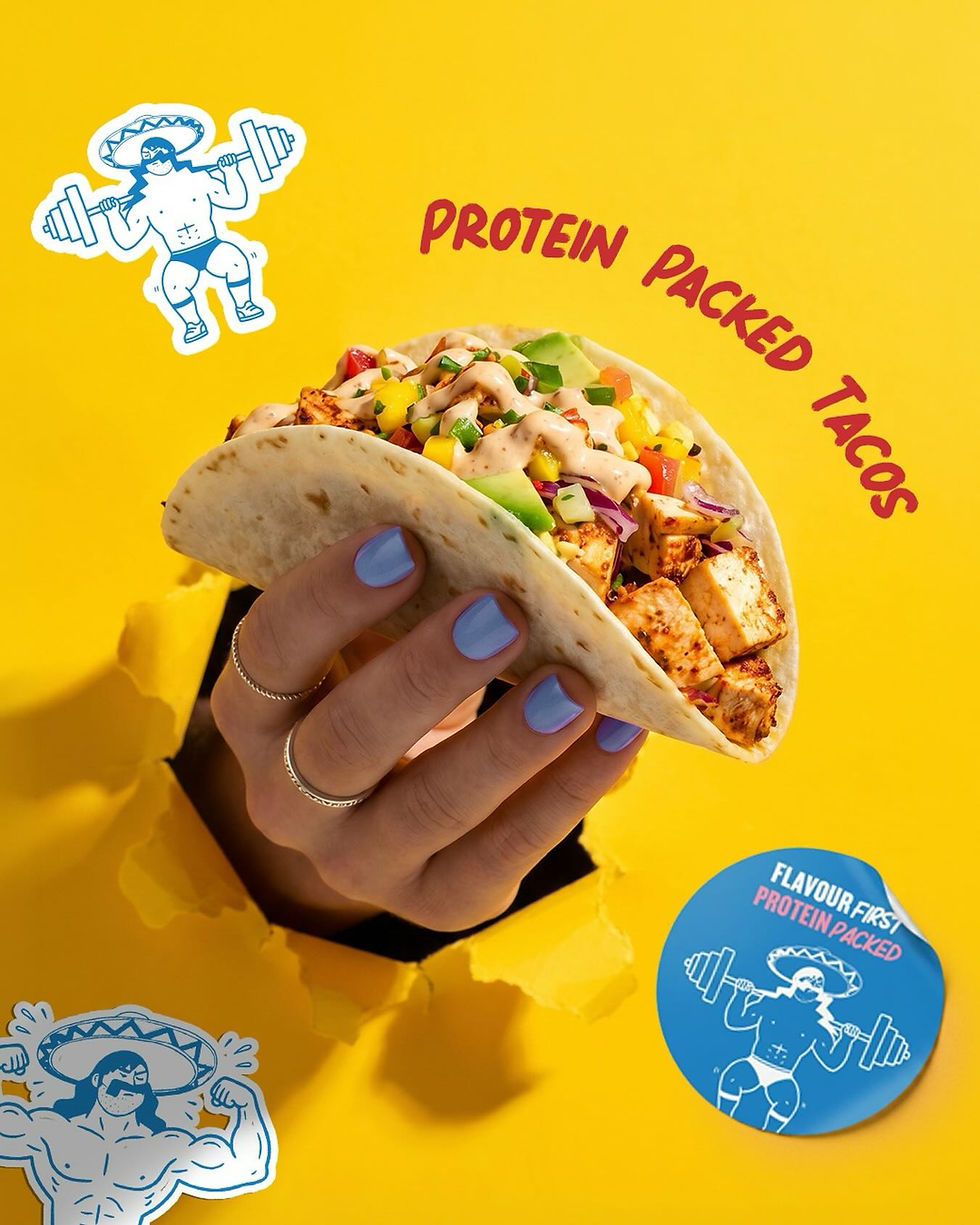
Taqado brought Mexican fast casual into Dubai's food scene without importing the format from elsewhere — built from scratch, for this city's specific palate, and succeeding because of it rather than despite it.
Biryani Pot is multi-award winning and Made in UAE, built around authentic clay pot Dum biryani — a brand that has earned the trust of one of the most discerning and demanding food communities in the city, with a footprint now spanning Dubai, Abu Dhabi, Al Ain, Bahrain, and Qatar.
Japang brought serious, Japanese-influenced fried chicken to Dubai's delivery market, earning a 4.1 rating from over 1,000 reviews across the UAE and Bahrain — proof that a homegrown delivery brand can compete directly with international fried chicken chains and win.
Chin Chin has been sharing moments since 2002 — one of the longest-running homegrown Chinese and Asian food brands in the UAE, now operating across five emirates and built on a simple promise: big flavours, great value, big portions.
Every one of these brands was conceived, built, and refined in the UAE — not imported and adapted from somewhere else. That distinction is the entire definition of homegrown, and it's why these brands consistently outperform international alternatives on loyalty, trust, and cultural relevance.
What unites all of them isn't a shared cuisine or a shared price point. It's that each one understood Dubai's market well enough to build something that belonged here specifically — and the city responded by making them part of its own food identity.
All of these brands are part of the Kitopi family — the UAE-born hospitality group dedicated to discovering, creating, and curating homegrown brands from the region, for the region. Since its founding in Dubai in 2018, Kitopi has grown into a portfolio of over 200 outlets across five markets, built entirely on the belief that the region's own food culture deserved better infrastructure, better investment, and better storytelling than it had been getting.
The result is a list of brands that don't just serve good food. They define what Dubai's dining identity actually looks like in 2026 — diverse, confident, and entirely its own



The point about homegrown meaning built specifically for this market stuck with me.
<a href="https://nano-banana2.com/nano-banana-2-1
">Nano Banana 2.1</a>
It makes me wonder how many brands we call local are just regional franchises with a familiar logo. The ones that actually adapt to Dubai's palate and pace feel different immediately.
يحتاج تلاميذ البكالوريا إلى معلومات موثوقة حول نتائج البكالوريا المغرب وموعد إعلانها. تعرف على الخطوات الأساسية للدخول إلى حسابك الدراسي عبر مسار، وتحقق من النتيجة والمعدل فور توفرهما رسمياً.
han1meviewer is examined on your portal with remarkable objectivity, technical rigor, and thoughtful user-experience evaluation. Your balanced commentary regarding caching strategies, user interface navigation, and media streaming reliability gave me exactly the context I needed. I commend your team for treating specialized utility software with consummate professionalism.
I have consistently relied on your software optimization columns, notably your pragmatic evaluation of browser memory containment and process hygiene via firemin. The comparative performance charts and configuration nuances you highlighted demonstrate an uncompromising standard of software review. Your site remains a trusted benchmark for digital productivity enhancements.
Retro gaming on handhelds requires tailored configurations, and your comprehensive analysis of dolphin mmjr2 provides players with the exact graphical tweaks needed for optimal performance. The side-by-side benchmark comparisons give readers immediate practical value. Thank you for investing the time to write such polished and reliable emulation literature.