
Why Dubai Is the World's Best City for Trying Homegrown Restaurant Concepts
Every great food city has a story. Dubai's is still being written.
Ask someone to name the world's great food cities and the same answers come back every time. Tokyo. New York. Paris. Istanbul. London. These are cities whose food identities took decades - sometimes centuries - to form, layered through immigration, agriculture, culture, and history until the cuisine became inseparable from the place itself.
Dubai doesn't have centuries. It has something more interesting: a city that built one of the world's most extraordinary dining scenes in a single generation, from almost nothing, by bringing together the most food-literate population on earth and giving them somewhere worth eating.
And in that compressed, accelerated, intensely competitive environment, something unexpected happened. A homegrown restaurant scene emerged - not a pale imitation of somewhere else, but something genuinely original. Concepts built here, for here, by people who understood this city and this community in a way that no imported franchise ever could.
Dubai isn't just a great city for food anymore. It's the world's best city for trying homegrown restaurant concepts. Here's why.
The most demanding diners in the world live here
Every great food city needs great diners. Not critics - diners. People who eat out frequently, travel extensively, have genuine reference points across multiple cuisines, and hold the places they love to a standard that keeps those places honest.
Dubai has them in extraordinary concentration.
The UAE's population is one of the most diverse on earth - over 200 nationalities living in a single city, most of them well-travelled, most of them with strong opinions about food, and most of them eating out multiple times a week. A Lebanese resident in Dubai knows immediately when a Lebanese restaurant gets it wrong. An Indian diner knows the difference between a regional recipe done with care and one done from a template. A Japanese expatriate eating sushi in Dubai knows. They all know.
That level of scrutiny is brutal for lazy concepts. It's extraordinary fuel for good ones.
A restaurant that earns genuine loyalty in Dubai has been tested against some of the most informed, most critical, most culturally diverse diners in the world - and won. That's a quality guarantee that no other city can quite replicate.
The speed of the market creates concepts that couldn't exist anywhere else
Dubai moves fast. Faster than almost any other major city in the world when it comes to adopting new ideas, new formats, and new dining experiences.
In most cities, a restaurant concept takes years to find its footing - testing slowly in a forgiving local market before expanding cautiously. In Dubai, the market feedback is immediate, honest, and unsparing. What works gets rewarded quickly. What doesn't disappears equally fast.
That speed creates a specific kind of brand - one that has been stress-tested at an intensity that most markets never impose. The homegrown concepts that survive and thrive in Dubai have been through a competitive crucible that shapes them into something genuinely resilient and genuinely excellent.
It also means Dubai is always ahead of the curve. The food trends that take years to reach other markets often land here first - because the diverse, well-travelled population brings them in, the fast-moving market adopts them quickly, and the city's homegrown brands respond and evolve in real time.
The city builds brands that belong to the region
The UAE's food culture is uniquely layered. Emirati culinary tradition forms one strand - a cuisine rooted in the Gulf, with spices, rice dishes, slow-cooked meats, and a hospitality culture that treats feeding people as an expression of genuine generosity.
Around it sits one of the world's richest concentrations of Levantine food culture - Lebanese, Syrian, Jordanian, Palestinian - whose dishes have become as familiar to Dubai residents as the food of their own childhoods. South Asian culinary traditions run deep through the city, as do East Asian influences and the broader international palette that comes with a population drawn from every corner of the world.
A homegrown brand built in Dubai for Dubai has to navigate all of this - and the best ones don't just navigate it, they reflect it. They build menus and concepts that speak to the city's actual culinary identity rather than defaulting to a generic international template.
That's what makes Dubai's homegrown restaurant scene unlike anything else. The concepts that emerge here are shaped by one of the world's most complex and
interesting food cultures — and they carry that complexity with them when they expand.
The homegrown brands that prove the point
The evidence isn't theoretical. It's on the plate, across the city, every single day.
Zaroob turned the Lebanese street food alley into a Dubai institution - the home of street food heroes, with a presence that has now extended to Bahrain. The food isn't adapted for the market. It is the market.
Operation Falafel took the most beloved dish in the Arab world and built a verified, award-winning brand around it =, locations across the UAE and KSA, and a community that follows a street food brand with the same energy usually reserved for lifestyle accounts.
Awani elevated the Levantine dining experience into something that feels genuinely special - drawing from the culinary heritage of Syria, Lebanon, Jordan, and Palestine, and expanding across Dubai, Abu Dhabi, and Saudi Arabia on the strength of a product that earned its reputation one visit at a time.
Catch22 won Dubai's Leading Family-Friendly Restaurant and Leading Homegrown Restaurant awards by understanding something most restaurant groups miss: that a great family dining experience in this city requires a menu broad enough to satisfy a table of people from five different culinary backgrounds, a setting that works for a birthday as much as a weeknight, and a team that shows up for the occasion every single time.
High Joint earned the Time Out Magazine Best Burger in Dubai award - not despite being homegrown, but because being homegrown meant building the burger for this market, these diners, and this level of expectation.
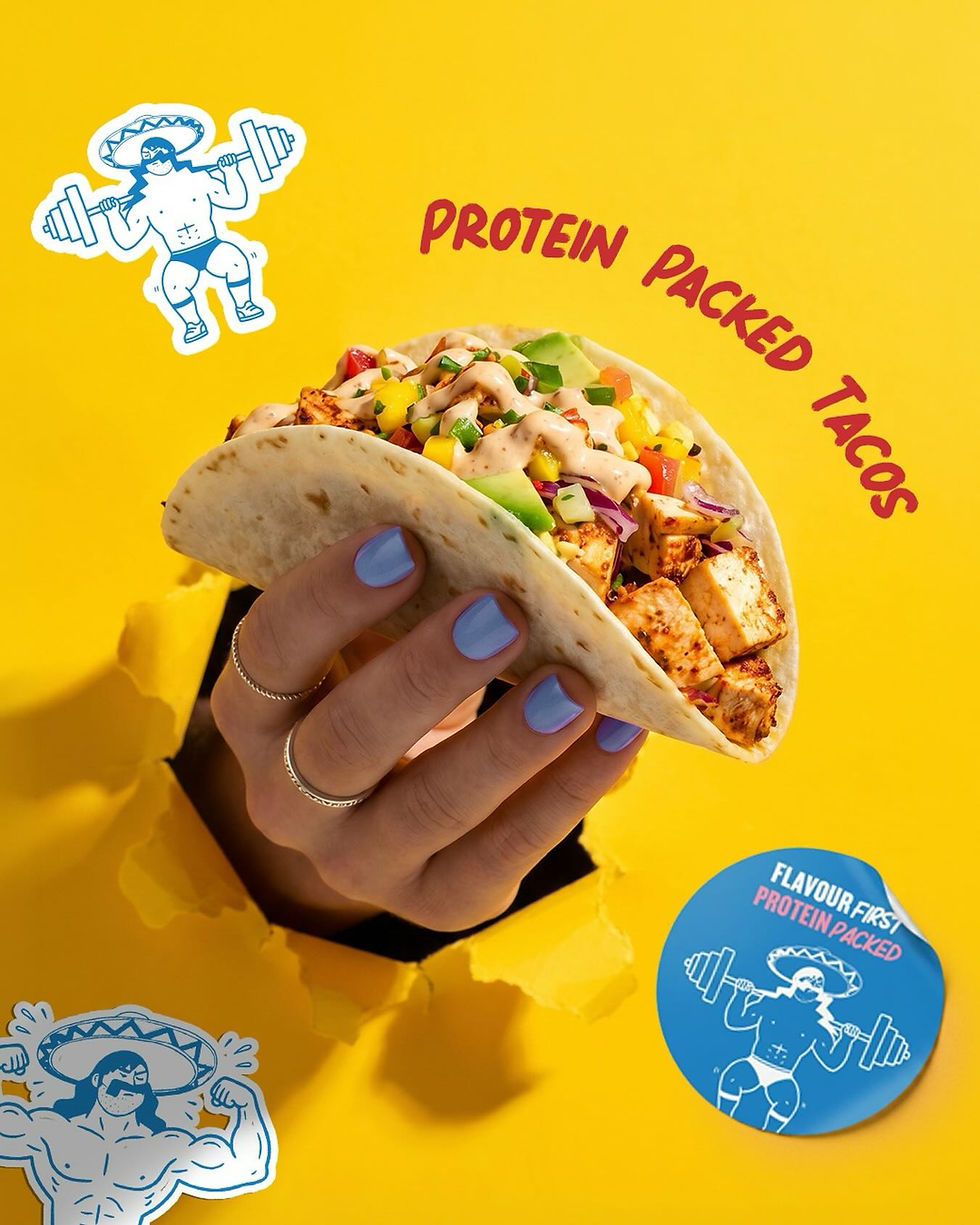
Taqado proved that a homegrown Mexican concept built in Dubai doesn't just compete with international chains - it outperforms them, because it was built with the city's specific tastes and dining habits in mind rather than adapted from a template designed for somewhere else.
Eatopi created something that doesn't exist anywhere else in the world: a rotating restaurant concept built entirely around the signature dishes of iconic UAE chefs and food brands, constantly evolving, impossible to replicate outside the city that produced it.
None of these brands could have been built anywhere else. They are products of Dubai — shaped by its diversity, tested by its demands, and made better by both.
What Kitopi understood before most
The company that has done more than any other to build, scale, and champion Dubai's homegrown restaurant scene is Kitopi - the UAE-born hospitality group founded in 2018 with a single operating principle: discover, create, and curate homegrown brands from the region, for the region.
Kitopi understood something early that the rest of the industry is still catching up to: that the UAE's homegrown restaurant potential was being underserved. That the infrastructure, the investment, and the operational expertise being directed at importing international concepts could be redirected toward building original ones — and that the market was not only ready for that shift, it was waiting for it.
Why this matters beyond Dubai
Great food cities don't just feed their residents well. They export ideas.
Tokyo's precision influenced kitchens worldwide. New York's energy and diversity reshaped how the world thought about casual dining. Copenhagen's focus on local ingredients and technique changed fine dining globally.
Dubai's contribution - still in progress, still accelerating - is a model for how a city can build an authentic, original, world-class homegrown food culture in a compressed timeframe, driven by diversity rather than despite it.
The homegrown brands being built here right now are not just good restaurants. They are the early chapters of a food story that will eventually be recognised the way the world now recognises every other great food city's contribution — as something that could only have come from here, and that made the global conversation richer for having done so.



Dubai’s homegrown restaurant scene is definitely exciting to explore. Making food photos sharper and more detailed can also help local concepts stand out online.
The combination of strategic room placement, limited information, and interconnected routes creates lasting tension Fnaf throughout every night.
Dubai’s fast-moving food scene is a great example of how fresh ideas can thrive when people are open to new experiences. The same energy can be found in web games, where creative concepts can quickly turn into engaging experiences.
Me parece interesante consultar los resultados después de cada sorteo, especialmente cuando los numeros ganadores están claramente identificados. Este artículo facilita esa revisión mediante una presentación sencilla. También ayuda encontrar información adicional sobre la jornada, ya que permite tener una referencia más completa de los resultados publicados.
What a fascinating exploration of Dubai's culinary scene! I'm curious, how do you think the support for homegrown concepts in Dubai could influence food culture in other global cities? slope 2 game